A First Gallery Visit Built Around One Artwork
Plan a first gallery visit around one artwork with a simple route, a comfortable place to look and a clear way to finish without rushing.
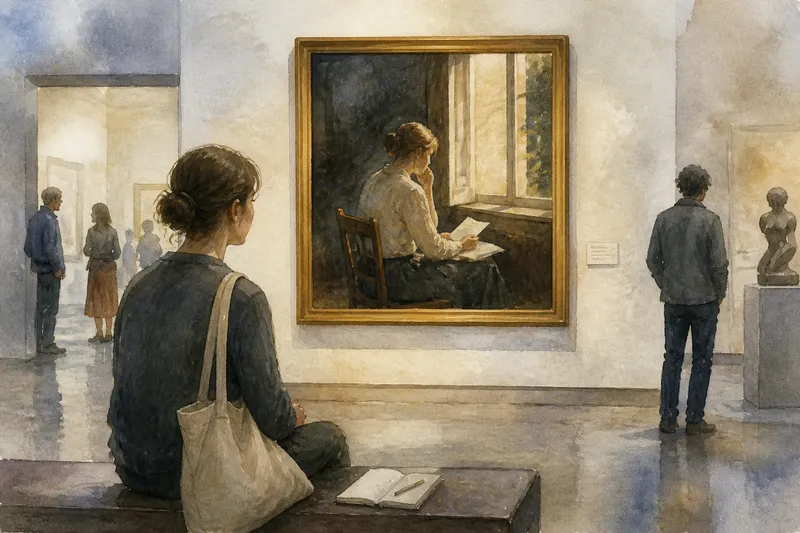
Which artwork should you choose for a first gallery visit, and how can you make the visit feel manageable? A first gallery visit built around one artwork can start with the piece that makes you pause, even if you cannot explain why. Check the room layout, settle somewhere comfortable and give that single work your attention; you do not need to cover every gallery.
Plan a simple route before choosing a work
At the entrance, check the gallery map, opening information and any access notes. Find the exhibition area and a route back to the entrance, cloakroom or seating area if you need one. This small orientation helps you spend less time wondering where to go next.
Walk through at an easy pace and choose a painting, sculpture, photograph or installation that holds your attention. If two or three works appeal, look at each briefly, then return to the one you still want to see. Your choice is flexible; changing your mind is part of making the visit suit you.
Before settling, check that visitors may stand or sit where you have in mind. Keep doorways and other visitors’ sightlines clear, follow signs about access or photography, and ask gallery staff if you are unsure. If the room is busy, wait for a clear space or choose a nearby position rather than crowding the work.
Make the first look easy to manage
Stand far enough back to take in the whole work without craning your neck. Give yourself a quiet moment to notice your first response, but do not treat it as a verdict. “I like it” or “I don’t understand it” can simply mark where your attention begins.
Stay in place briefly before moving closer or changing angle. A painting’s surface may seem calm from across the room and more active nearby; a sculpture’s outline can shift as you move. Like letting your eyes adjust after entering a dim room, a pause can make details easier to take in.
You do not need to take notes, speak aloud or show that you understand the work. Looking is enough. If you feel tired or self-conscious, find a permitted seat or take a short break; the visit is yours to pace.
Use a small routine to look closely
Begin with the whole work. Notice its arrangement, shape and balance: does it feel crowded or open, still or in motion? Describe what is visible before deciding what it might mean.
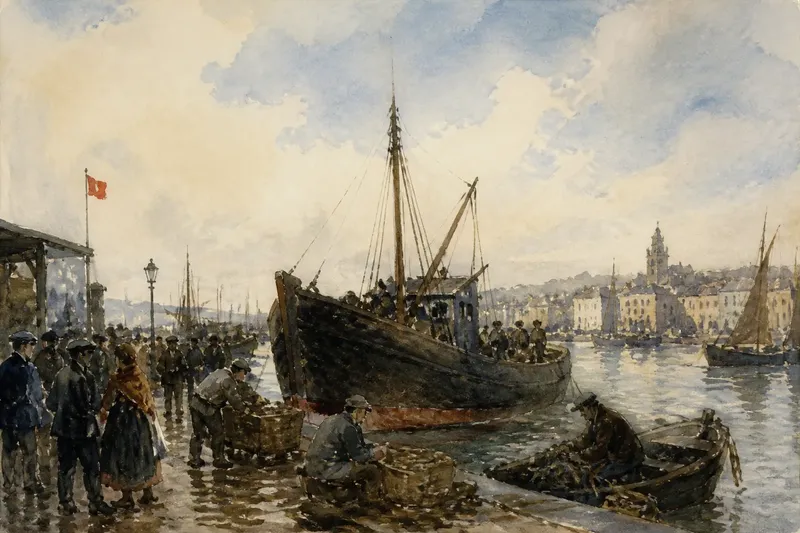
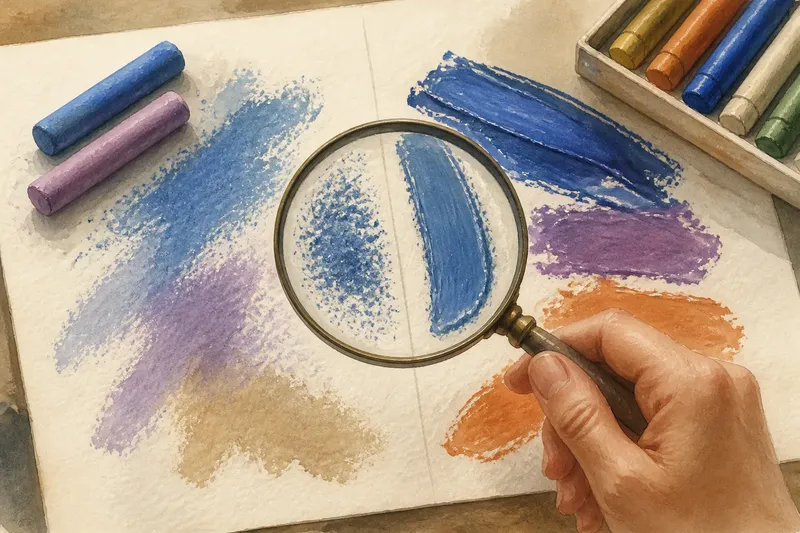
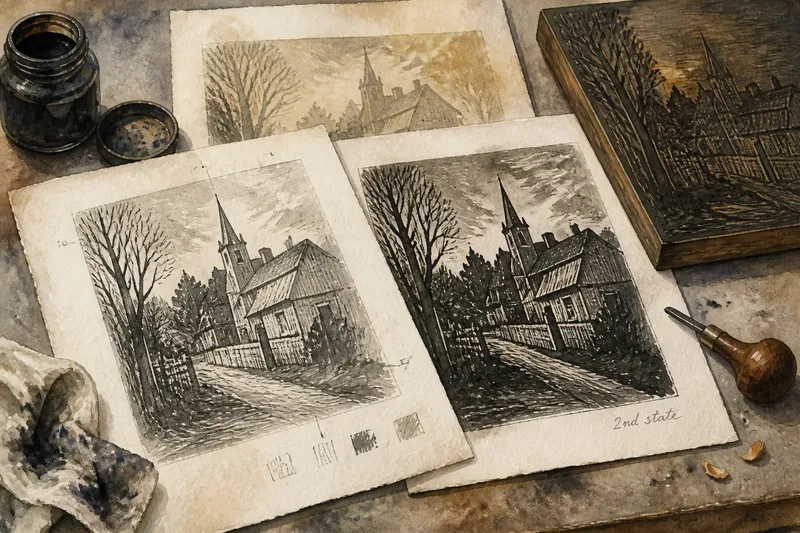
Then choose a few details that suit the medium. In a painting, attend to edges, brushwork and places where colours meet. In a photograph, look at framing, focus and light; with sculpture, notice the outline, materials and how the parts relate from where you stand.
Use this short set of checks to decide what to do next:
- Check whether you can see the whole work comfortably; if not, move to a permitted position with a clearer view, or wait until the space opens.
- Check whether one feature repeatedly draws your eye; if it does, look at what surrounds it, and if nothing stands out, choose a different area to inspect.
- Check for a contrast such as smooth beside rough or bright beside muted; if you find one, compare the two areas, and if not, look for repeated shapes or lines.
- Check whether your attention follows a clear path across the work; if it does, notice where that path ends, and if it does not, start at one edge and scan slowly across.
- Check whether a detail supports your first impression; if it does, keep it as a possible clue, and if it does not, revise the impression rather than forcing the detail to fit.
- Check whether you are still noticing something new; if you are, stay a little longer, and if your looking has become repetitive, move on or take a break.
Keep observation separate from interpretation at first. “A dark shape crosses the lower edge” describes something visible; “the artist is showing despair” is a possible reading that needs more support. You can hold both ideas in mind without mistaking a guess for a fact.
Choose questions that fit what you can see
Ask what appears close or far away, what is repeated, or which detail changes the mood. If a figure faces away, for instance, consider how that affects your view without assuming why the figure is turned.
Notice your own response, too. If a detail makes you curious or uneasy, ask which visible feature prompted that reaction. This keeps your interpretation connected to the artwork rather than turning the visit into a search for a single hidden answer.
What should you do when the visit feels difficult?
How long should I stay with one artwork?
Stay while you are noticing something, then move on when your attention begins to repeat or you feel ready for a break. There is no required duration. You can return to the work later if the room and your energy allow.
Should I read the label before looking?
Either order is fine, but looking first lets you form your own impressions before taking in context. Read the label when you want information about the artist, title, medium or subject, then decide whether you want to spend more time with the work.
What can I do if nothing catches my attention?
Choose one visible feature, such as colour, material, shape or the work’s position in the room, and look at it for a moment. If you still feel no interest, select another work or take a break without treating that choice as a failure.
Can I take notes or photographs?
Check the gallery’s posted rules before taking a photograph, and keep phone use unobtrusive. A few written words can help you remember a title or detail, but you can also leave without recording anything.
Use the label to decide whether to look again
Once you have formed a few observations, read the label closest to the work. Check that it refers to that object: exhibition text may discuss a group of works rather than the piece beside it. If a term is unfamiliar, you can leave it for later rather than searching your phone in the gallery.
Use the information to make a practical choice. If the title or medium makes you curious, return to the work and see whether you want to look longer; if the label adds nothing you need, move on. Context is available when it helps, not a task you must complete.
Say you choose an invented painting of a person seated beside a bright window. You first notice the contrast between the lit window and dark room; you read the nearby label, which identifies the title as Letter by the Window; then you return and look near the sitter’s hand, where the painted surface includes a folded letter. The result is a more specific detail to consider, while the title and letter still do not settle what the person feels or what the painting means.
Finish the visit on your own terms
Before leaving the room, decide whether you want one last look, a seat or a pause outside the gallery. If you return to the artwork, use a permitted viewing spot and compare what you notice now with what first drew you in. Do not approach or touch a work unless staff explicitly invite you to do so.
You might leave with the title, one detail or a question you want to remember. If another work catches your eye on the way out, give it a brief look only if you have the energy and time. A first gallery visit built around one artwork can be complete without seeing every room, and that same search phrase can guide a later visit when you want to choose a different piece.